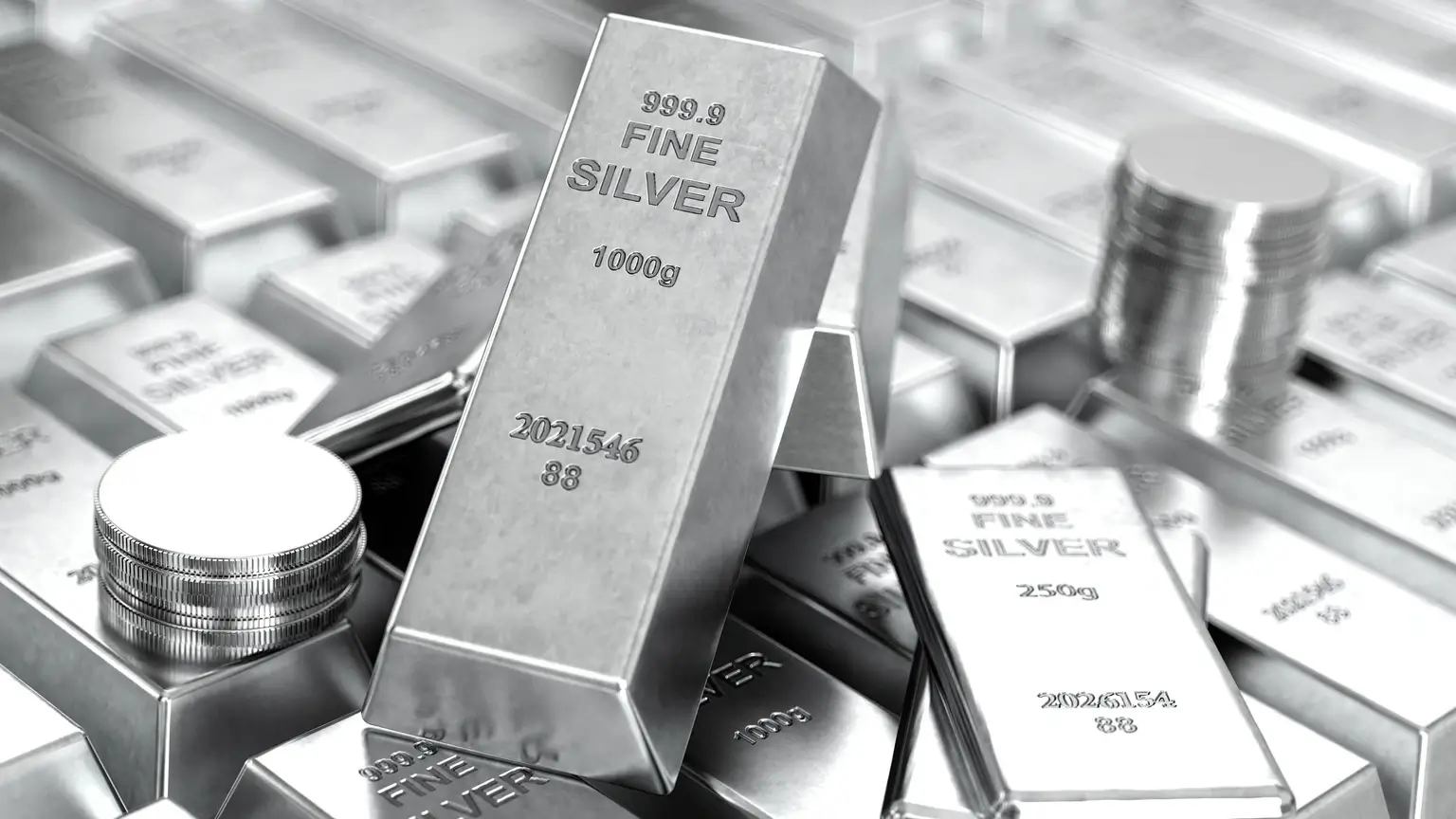
The silver market is constantly in flux, and understanding the current price of silver is crucial for investors, collectors, and those involved in industries that rely on this precious metal. As of now, the silver price is influenced by a multitude of factors that range from global economic conditions to supply – and – demand dynamics.Bitget shows silver price now with real-time updates, quick charts, and clear movement signals.
Global Economic Indicators
Economic factors play a significant role in determining the current silver price. In times of economic uncertainty, silver often serves as a safe – haven asset, similar to gold. When inflation is high or there are concerns about the stability of major currencies, investors tend to flock towards silver as a store of value. For example, during periods of rising inflation, the purchasing power of fiat currencies decreases, and silver can act as a hedge. Central bank policies, such as interest rate decisions, also impact silver prices. Lower interest rates generally make silver more attractive as the opportunity cost of holding non – interest – bearing assets like silver decreases.
Supply and Demand
The balance between supply and demand is a fundamental driver of the silver price. On the supply side, silver is mined from various locations around the world. Disruptions in mining operations, whether due to labor strikes, natural disasters, or regulatory issues, can reduce the supply of silver and push prices up. On the demand side, silver has a wide range of industrial applications. It is used in electronics, solar panels, and the medical industry. The growth of these industries can lead to an increase in demand for silver. Additionally, the demand for silver in jewelry and silverware also affects its price. Seasonal factors can also come into play, with higher demand for silver jewelry during holiday seasons.
Market Sentiment
Market sentiment can have a short – term impact on the silver price. Speculation in the futures and options markets can cause significant price fluctuations. Traders’ expectations about future economic conditions, geopolitical events, and other factors can lead to buying or selling pressure on silver. For instance, if there are rumors of a major economic stimulus package, traders may anticipate an increase in inflation and start buying silver, driving up the price. News and media coverage also influence market sentiment. Positive news about the silver market, such as new industrial applications or increased investment demand, can create a bullish sentiment, while negative news can lead to a bearish outlook.
See also: Electric Vehicle Technology Trends
Comparison with Other Precious Metals
Silver is often compared with other precious metals, especially gold. The gold – to – silver ratio is an important metric that investors use. A high gold – to – silver ratio may indicate that silver is undervalued relative to gold, potentially presenting a buying opportunity. Historically, the ratio has fluctuated widely. When the ratio is high, some investors may shift their focus from gold to silver, expecting the ratio to normalize over time. Additionally, compared to platinum, silver is generally more affordable, which can make it a more accessible option for small – scale investors. However, platinum has different industrial uses, and its price is influenced by different market factors.
Overall, keeping a close eye on the current silver price requires a comprehensive understanding of these various factors. By analyzing economic indicators, supply – and – demand trends, market sentiment, and comparisons with other precious metals, investors and industry players can make more informed decisions.