Timber has long been a cornerstone of construction, but its role has evolved far beyond basic framing and structural support. Today, it sits at the intersection of design innovation, sustainability, and global demand. Builders, architects, and developers are increasingly looking at wood not just as a material, but as a strategic choice that influences performance, aesthetics, and long-term value.
This shift reflects a broader change in how construction is approached. Instead of focusing solely on durability or cost, modern projects aim to balance efficiency, design quality, and environmental responsibility. Timber, when used thoughtfully, supports all three.
The Expanding Global Demand for Woodwork
The global construction market continues to show strong demand for timber-based solutions. From residential housing to commercial developments, wood is being specified in projects that prioritize both performance and visual appeal. This trend is evident in industry data such as global woodwork tenders and procurement insights, which highlight the increasing volume of timber-related projects worldwide.
This growth is not accidental. Timber offers a combination of availability, versatility, and adaptability that aligns with modern construction needs. As supply chains improve and engineered wood products become more advanced, the material’s appeal continues to expand.
Design Integration: Where Structure Meets Aesthetics
Blending Timber with Architectural Features
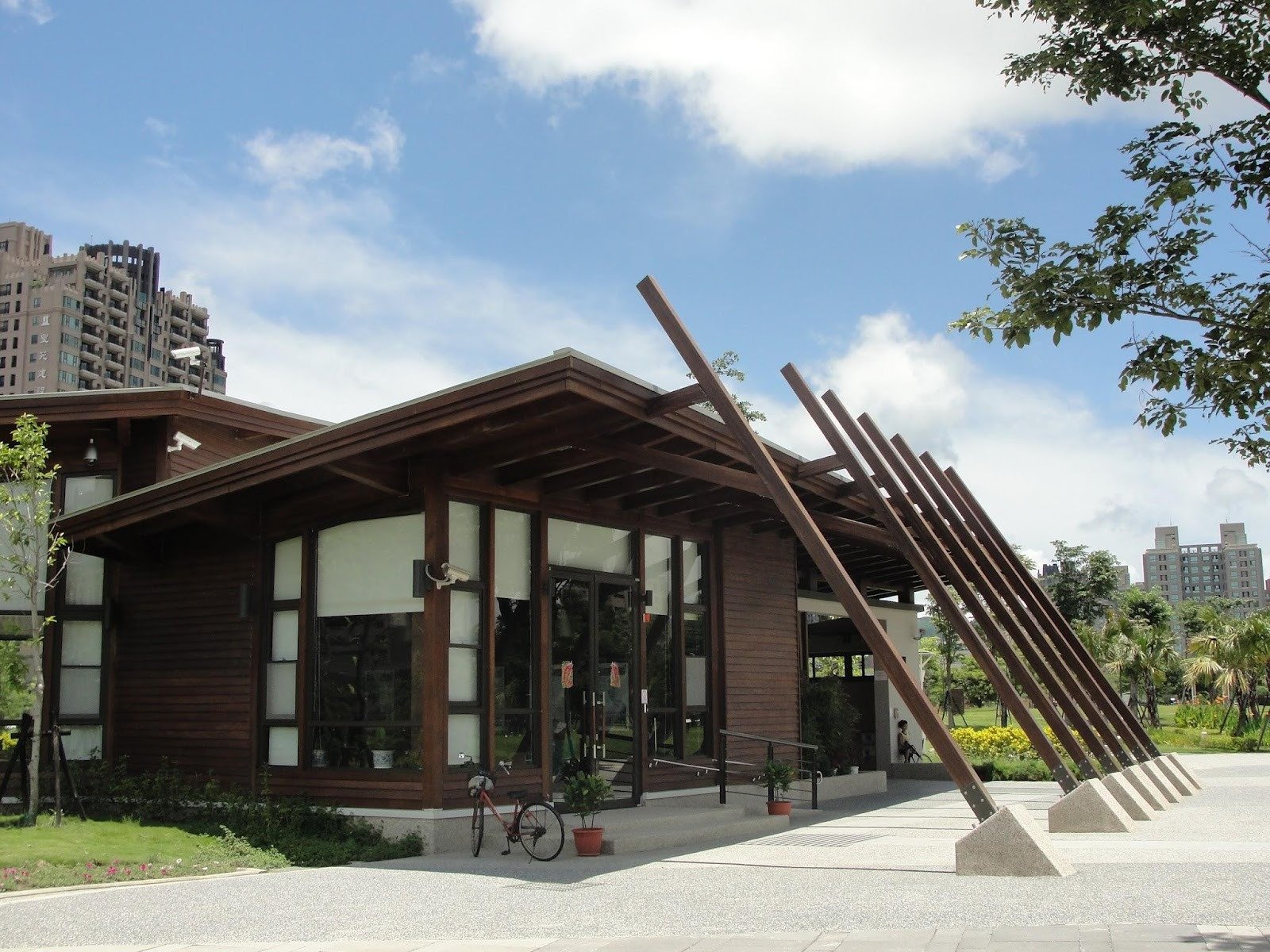
One of the most significant developments in modern construction is the integration of structural elements into overall design. Timber is particularly well-suited for this approach, as it can serve both functional and decorative purposes simultaneously.
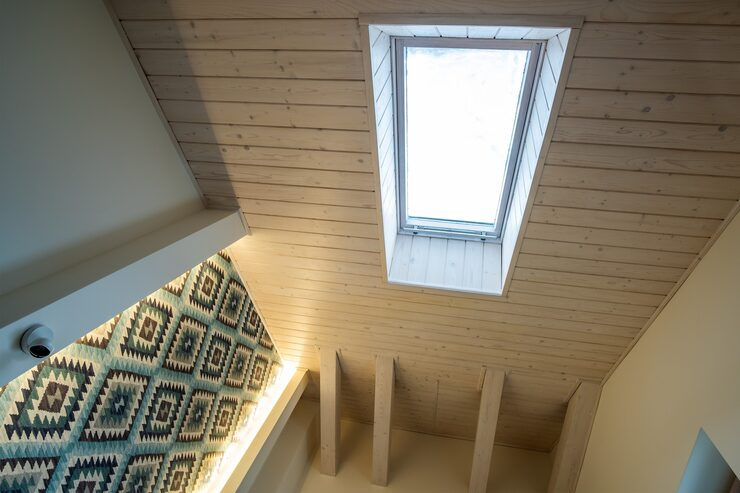
Architectural features such as angled roofs and skylight systems require careful planning to ensure structural integrity and visual harmony. Resources like guidance on integrating lantern roofs into complex structures demonstrate how timber can support these designs while maintaining consistency across the build.
This integration allows builders to create spaces that feel intentional, where every element contributes to a cohesive whole.
Enhancing Spatial Experience
Timber influences how a space is experienced. Its natural tones and textures soften architectural lines, making interiors feel more welcoming. In open-plan environments, exposed wooden elements can create visual continuity, guiding movement through the space without the need for additional partitions.
This ability to shape perception is one of the reasons timber remains a preferred material for designers focused on user experience.
Building Identity Through Material Selection
In a competitive construction landscape, differentiation matters. Developers and builders are increasingly using materials to define the identity of a project. Timber plays a central role in this process, offering a distinctive look that stands apart from more uniform materials like concrete or steel.
Working with experienced professionals connected to the Tar River brand allows projects to achieve a higher level of refinement. Their approach emphasizes not only technical execution but also the importance of creating a recognizable and consistent design language.
This focus on identity helps properties stand out in the market, appealing to buyers and occupants who value both quality and character.
Efficiency and Adaptability in Modern Builds
Construction timelines and budgets remain critical factors in any project. Timber offers advantages in both areas due to its workability and compatibility with prefabrication methods. Components can be manufactured off-site and assembled quickly, reducing delays and improving overall efficiency.
This adaptability also allows for greater flexibility during the design phase. Adjustments can be made without significantly impacting the structure, making timber a practical choice for projects that require customization.
As construction methods continue to evolve, these qualities position timber as a forward-looking material.
Balancing Performance with Sustainability
Sustainability has become a defining factor in material selection. Timber, when sourced responsibly, supports environmentally conscious construction practices. Its renewability and lower carbon footprint compared to many alternative materials make it an attractive option for projects aiming to reduce environmental impact.
However, sustainability is not just about sourcing. It also involves how materials are used and maintained over time. Proper design, treatment, and installation ensure that timber structures remain durable, minimizing the need for replacement and reducing waste.
This long-term perspective aligns with the goals of modern construction, where efficiency and environmental responsibility go hand in hand.
Overcoming Challenges in Timber Construction
Despite its advantages, timber requires careful handling to perform at its best. Factors such as moisture exposure, load distribution, and finishing techniques must be considered during both design and construction phases.
Addressing these challenges involves a combination of technical knowledge and practical experience. Builders must understand how timber behaves under different conditions and apply appropriate solutions to ensure stability and longevity.
With the right approach, these challenges can be effectively managed, allowing timber to deliver consistent results across a wide range of applications.
See also: Ready to launch in 2026 your essential financial setup guide for UK startups
The Future of Timber in a Competitive Industry
The construction industry is becoming increasingly competitive, with new materials and technologies entering the market. Timber’s continued relevance depends on its ability to adapt and innovate alongside these developments.
Advancements in engineered wood products, digital design tools, and construction techniques are expanding what is possible with timber. These innovations allow for more complex structures, improved performance, and greater design freedom.
As these trends continue, timber is likely to remain a key material for projects that prioritize both functionality and visual appeal.
Conclusion
Timber’s role in modern construction goes far beyond tradition. It has become a material that supports design innovation, market differentiation, and sustainable practices. Its versatility allows it to adapt to changing demands while maintaining the qualities that have made it a reliable choice for generations.
By combining thoughtful design, skilled execution, and an understanding of market trends, builders can use timber to create spaces that are both practical and distinctive. In an industry that continues to evolve, timber remains a material that bridges the gap between structure and experience.