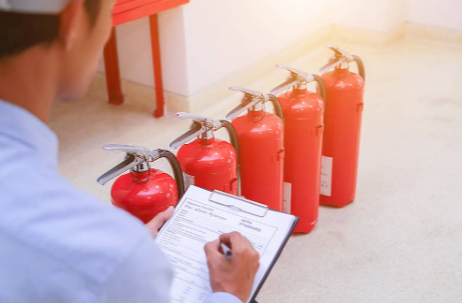
Fire safety is a critical concern for businesses, public institutions, and residential buildings alike. Effective fire risk assessment ensures the safety of occupants, protects property, and complies with legal and regulatory requirements. However, many organizations struggle with deficiencies in their fire risk assessment processes, which can compromise safety and increase the risk of fire-related incidents. This article explores the common deficiencies in fire risk assessments and provides practical solutions to address them.
Understanding Fire Risk Assessment
A fire risk assessment is a systematic process of identifying fire hazards, evaluating the risks associated with those hazards, and implementing measures to prevent, control, or mitigate fire incidents. It is a legal requirement in many countries and a crucial component of any fire safety management system. A well-conducted assessment identifies weaknesses in fire prevention, detection, and response measures, allowing organizations to minimize risks effectively.
Common Deficiencies in Fire Risk Assessments
Despite its importance, many fire risk assessments are incomplete or ineffective. Some of the most frequent deficiencies include:
1. Incomplete Hazard Identification
A common mistake is failing to identify all potential fire hazards. This includes overlooked sources such as:
- Electrical faults or overloaded circuits
- Improper storage of flammable materials
- Faulty heating or cooking equipment
Solution: Conduct thorough inspections of all areas, including less obvious spaces like storage rooms, basements, and maintenance areas. Engage professionals if necessary to identify hidden hazards.
2. Inaccurate Risk Evaluation
Some assessments either underestimate or overestimate risks. Underestimation can leave a facility vulnerable, while overestimation may lead to unnecessary expenses.
Solution: Use a structured risk matrix to evaluate both the likelihood and severity of fire hazards. Ensure assessment criteria are standardized and based on current fire safety regulations.
3. Lack of Staff Training and Awareness
Even the best assessment is ineffective if staff are unaware of fire risks or the proper procedures to follow in an emergency.
Solution: Implement regular fire safety training, including evacuation drills, proper use of fire extinguishers, and emergency response protocols. Ensure that new employees receive training as part of their induction.
4. Inadequate Documentation
Poor documentation of fire risk assessments can hinder follow-up actions, audits, or regulatory compliance. Missing records of hazard identification, risk evaluations, and control measures can compromise overall fire safety.
Solution: Maintain detailed and up-to-date records. Include hazard lists, inspection reports, control measures, and evidence of staff training. Digital tools can help streamline documentation and improve accessibility.
5. Ignoring Changes in the Workplace
Buildings, equipment, and processes evolve over time. Fire risk assessments that are not updated to reflect changes may no longer be accurate.
Solution: Review and update fire risk assessments regularly or whenever significant changes occur in the facility. Schedule periodic reassessments at least once a year.
6. Insufficient Control Measures
Identifying hazards without implementing proper control measures renders the assessment ineffective. Common gaps include:
- Inadequate fire detection systems
- Lack of automatic sprinklers or fire alarms
- Poorly maintained fire exits and escape routes
Solution: Ensure control measures are appropriate, functional, and regularly tested. Fire doors, alarms, extinguishers, and sprinklers should meet legal and industry standards.
7. Non-Compliance with Legal Requirements
Failure to comply with fire safety regulations can lead to legal penalties and increased liability in case of fire incidents.
Solution: Familiarize yourself with local fire safety laws and regulations. Ensure assessments, equipment, and procedures comply with current legislation. Consult fire safety experts when necessary.
Best Practices for Effective Fire Risk Assessment
To prevent deficiencies, organizations should adopt best practices such as:
- Conducting a comprehensive hazard audit covering all areas of the facility
- Involving a multidisciplinary team, including safety officers, maintenance staff, and external experts
- Using checklists and standardized templates for consistent assessments
- Implementing continuous monitoring and improvement of fire safety systems
Conclusion
Fire risk assessments are vital for protecting life, property, and organizational continuity. Common deficiencies—such as incomplete hazard identification, poor documentation, insufficient staff training, and outdated assessments—can compromise fire safety. By addressing these gaps with structured evaluations, regular updates, proper documentation, and effective control measures, organizations can significantly reduce fire risks. Implementing these solutions ensures compliance with legal requirements and promotes a safe environment for all occupants.
FAQs
Q1: How often should a fire risk assessment be conducted?
Fire risk assessments should be reviewed regularly, at least annually, and updated whenever there are significant changes to the building, equipment, or processes.
Q2: Who is responsible for carrying out a fire risk assessment?
Typically, a qualified fire safety officer or a trained individual within the organization conducts the assessment. External experts can also be engaged for complex or high-risk environments.
Q3: What are the key components of a fire risk assessment?
The main components include hazard identification, risk evaluation, implementation of control measures, documentation, staff training, and regular review.
Q4: Can poor documentation lead to penalties?
Yes, inadequate or missing documentation can result in legal non-compliance and penalties, as well as increased liability in case of a fire incident.
Q5: What is the most common fire hazard in workplaces?
Electrical faults, improper storage of flammable materials, and equipment overheating are among the most common fire hazards in workplaces.